From Marine Microbes to Global Solutions: Engineering a Circular Blue Economy
Wednesday, 25/22026
Share This Article :
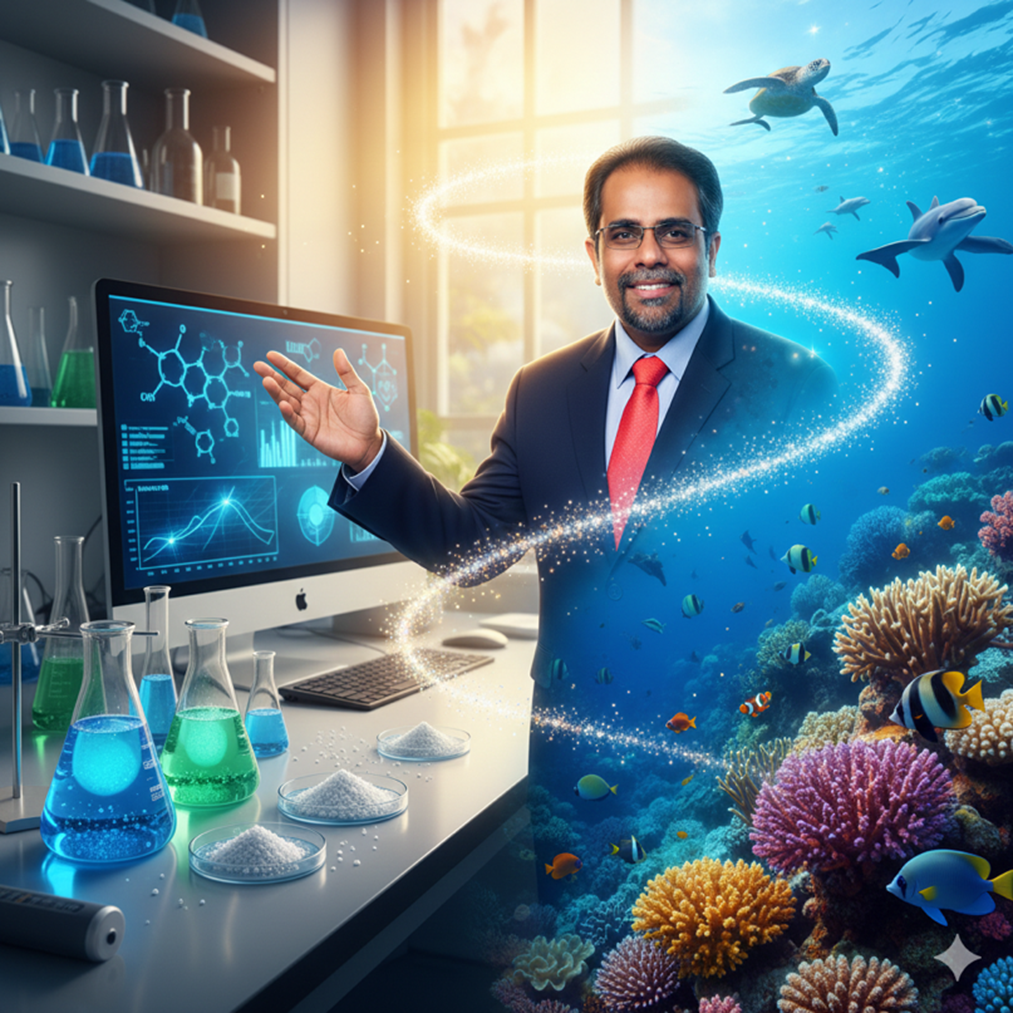
The silent crisis of plastic pollution in our oceans poses an insurmountable challenge of the modern industrial age, yet solutions lie within the very waters we seek to protect. Prof. Ts. Dr. Kesaven a/l Bhubalan, a marine biotechnologist, is spearheading a shift in material science and environmental conservation. Focusing on bacteria-derived biomaterials, bioprocesses, and biodegradation, his work bridges laboratory innovation and the need for a circular bioeconomy. His research spans marine biotechnology, circular bioeconomy, and environmental policy.
At the core of this work is the biotransformation of agro-industrial by-products into high-value biomaterials using marine bacteria, converting industrial residues into sustainable marine materials. His research addresses the global microplastic crisis through patented biodegradable PHA microbeads for hygiene products and studies marine microplastics as vectors of ocean pollutants.
Central to this innovation is polyhydroxyalkanoate (PHA) and the biosurfactant rhamnolipid. Prof. Kesaven has contributed key insights into the development, application, and life-cycle analysis of these materials, ensuring sustainability from production to disposal. He developed biodegradable PHA microbeads as eco-friendly alternatives to petrochemical exfoliants in hygiene products and earned a patent, marking progress in mitigating microplastic pollution.
Beyond material development, the research examines interactions between bioplastics and marine ecosystems. As microplastics from non-biodegradable sources increase, biodegradable alternatives become essential. He investigates the vector potential of microparticles, revealing how they transport pollutants to marine organisms and pose risks to human health. This led to a collaboration with the Institute of Marine Biology at the National Taiwan Ocean University, producing a review titled “Marine microplastics as vectors of major ocean pollutants and its hazards to the marine ecosystem and humans,” which became the most cited and downloaded article in Progress in Earth and Planetary Science.
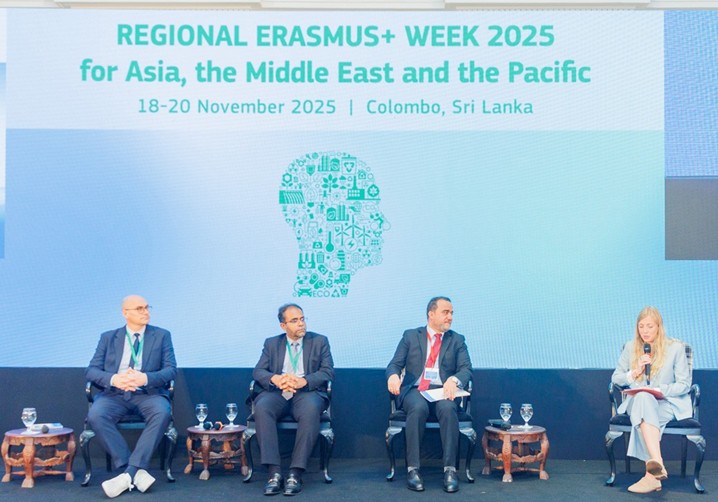
The global scope of this work requires strong leadership. Prof. Kesaven leads a capacity-building project across Asia and Europe supported by an RM4.8 million Erasmus+ grant. The project focuses on protecting marine life from climate change and plastic debris while aligning higher education in Malaysia and Indonesia with green-transition labour needs. Through this, research is translated into human capital for the sustainable blue economy.
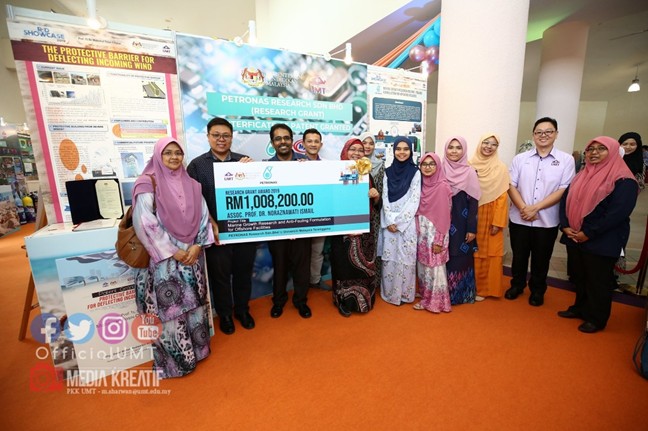
Industry collaboration remains central, with partners including Petronas and MAPA-Spontex SAS. Projects range from antifouling compounds for marine coatings to PHA fillers in glove manufacturing. His expertise has also supported national agencies studying palm oil biodegradability in marine conditions, leading to a presentation at the MPOB International Palm Oil Congress and Exhibition.
Prof. Kesaven also contributes to research integrity and outreach. Since 2016, he has served as a lead instructor for the Malaysian Educational Module on Responsible Conduct of Research across ASEAN. He continues to publish, engage communities, and promote awareness of plastic pollution and the blue economy.
He currently serves as Director of UMT’s International Centre, providing strategic leadership in global engagement, partnerships, mobility programmes, and internationalisation initiatives.
