
Thursday, 22/1/2026
Share This Article :
Associate Professor Dr. Muhammad Hafiz Borkhanuddin is a marine biologist specializing in marine biodiversity science, fish parasitology, and benthic and cryptic invertebrate ecology.
His work involves the use of modern analytical tools such as molecular identification, metabarcoding, digital specimen curation, and integrated biodiversity databases.
A major component of his scientific contribution lies in myxozoan parasitology. He holds and shares taxonomic authority for approximately ten newly described myxosporean species from Malaysia and one species from Portugal. To address persistent nomenclatural challenges, he proposed a modified naming framework aimed at reducing secondary homonymy and improving long-term taxonomic stability.
His work has also contributed to applied international efforts, including a European Horizon 2020 project (ParaFish Control), where insights from his research supported discussions on parasite life cycles and disease-related processes.
Dr. Hafiz also plays a leading role in regional initiatives such as the Marine Biodiversity Survey of Southeast Asia-Malaysia (MBSSEAM), working with partners from Singapore, Indonesia, and other regional institutions to advance standardised marine biodiversity inventories across Southeast Asia. Central to this effort is the use of Autonomous Reef Monitoring Structures (ARMS) as a shared ecological platform, enabling comparable, long-term assessments of reef-associated biodiversity.
Within this framework, his current research focuses on reef colonisation and succession, using ARMS to track invertebrate settlement from early biofilm stages to mature cryptic assemblages over a two-year monitoring period. This work provides critical baseline data on biodiversity often overlooked by conventional reef surveys and offers insights into reef recovery, resilience, and ecosystem functioning.
Complementing this, he leads nudibranch ecology studies, integrating field observations with gut content metabarcoding to clarify feeding strategies, habitat preferences, and trophic linkages within reef food webs.
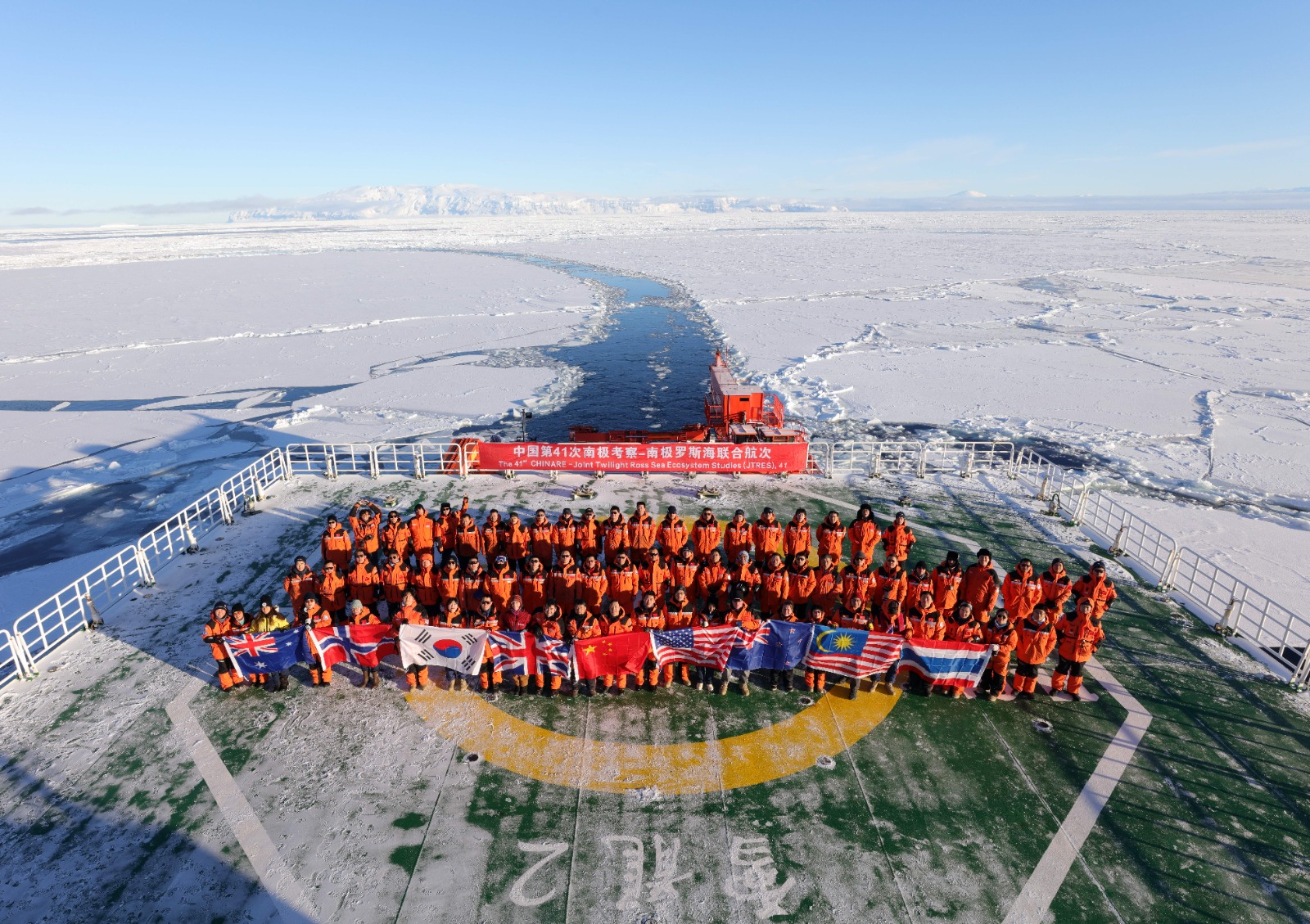
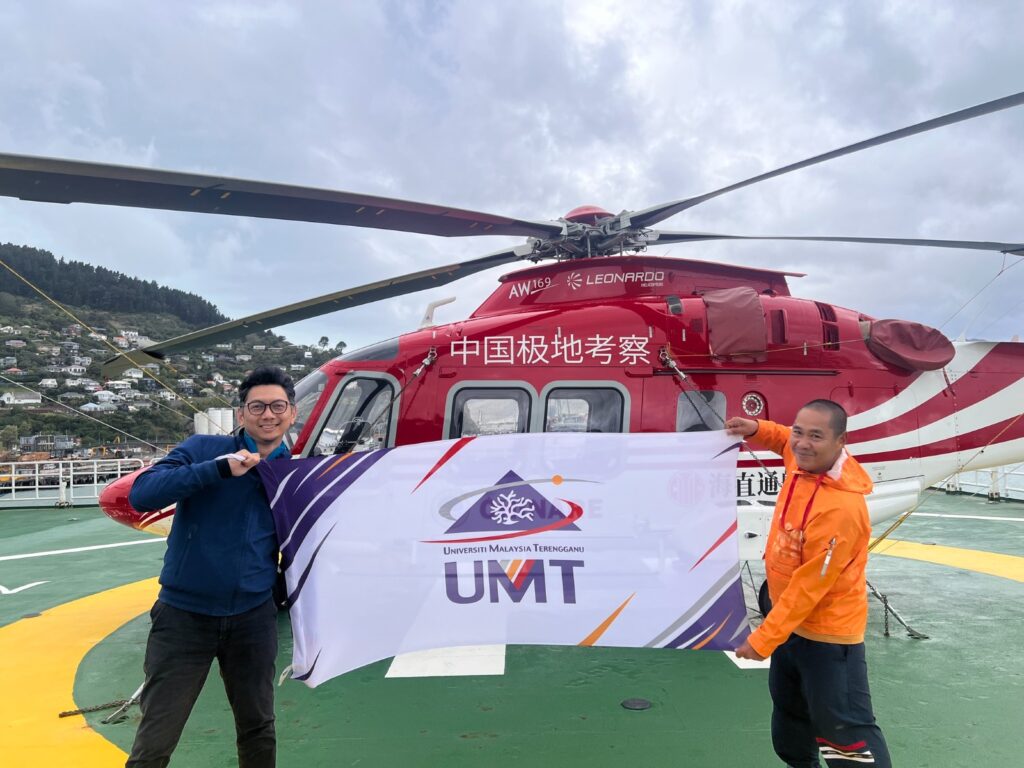
In early 2025, Dr. Hafiz was selected to participate in the Austral Fall–Winter Joint Twilight Ross Sea Ecosystem Studies (JTRES 2025) expedition to Antarctica. His involvement in this high-latitude, extreme-environment research programme reflects international recognition of his expertise in marine biodiversity, parasitology, and ecosystem-level investigations. The expedition contributed critical insights into Southern Ocean ecosystems during an under-studied seasonal window and strengthened Malaysia’s presence in global polar marine research collaborations.
At present, Dr. Hafiz leads the Repository & Reference Centre UMT (RRC-UMT) under INOS, a national-level initiative focused on the curation, digitisation, and long-term stewardship of biodiversity specimens. Alongside this leadership role, he continues to publish in indexed international journals, serves as a reviewer and guest editor, supervises postgraduate students, and contributes to the strengthening of research infrastructure and human capital.
Beyond academia, he remains actively engaged in citizen-science and community-based initiatives. With support from Yayasan Bank Rakyat and International Petroleum Corporation (IPC) Malaysia, his work has included coral reef restoration training, public awareness programmes, and the development of a citizen-friendly handbook, with ongoing efforts centred on island communities in Terengganu.
By: Associate Professor Dr. Muhammad Hafiz bin Borkhanuddin
