UMT Committed to Being Strategic Player in Malaysia’s Higher Education Transformation
Wednesday, 25/22026
Share This Article :
By Zukiferee Ibrahim, Corporate Communication Office
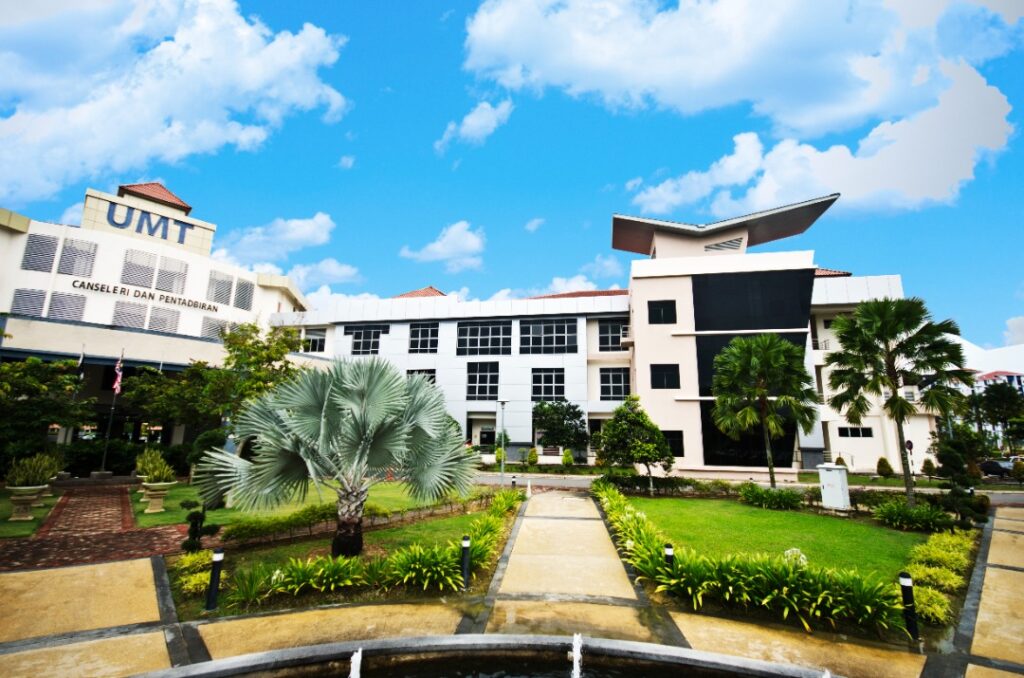
With the recent launch of the Malaysia Higher Education Plan 2026–2035, Universiti Malaysia Terengganu (UMT) will play a strategic role in driving Malaysia’s higher education transformation, said Vice-Chancellor Professor Ir. Ts. Dr. Mohd Zamri Ibrahim.
The newly unveiled Plan is not merely a policy document, Prof. Zamri said, but a national vision that reflects Malaysia’s determination to build its future through knowledge, talent, and innovation, while positioning the country as a competitive force in the global knowledge economy.
“The Plan demands a bold and coordinated transformation of our higher education ecosystem,” he said. “UMT embraces this Plan not as an observer, but as a strategic player committed to its successful implementation.”
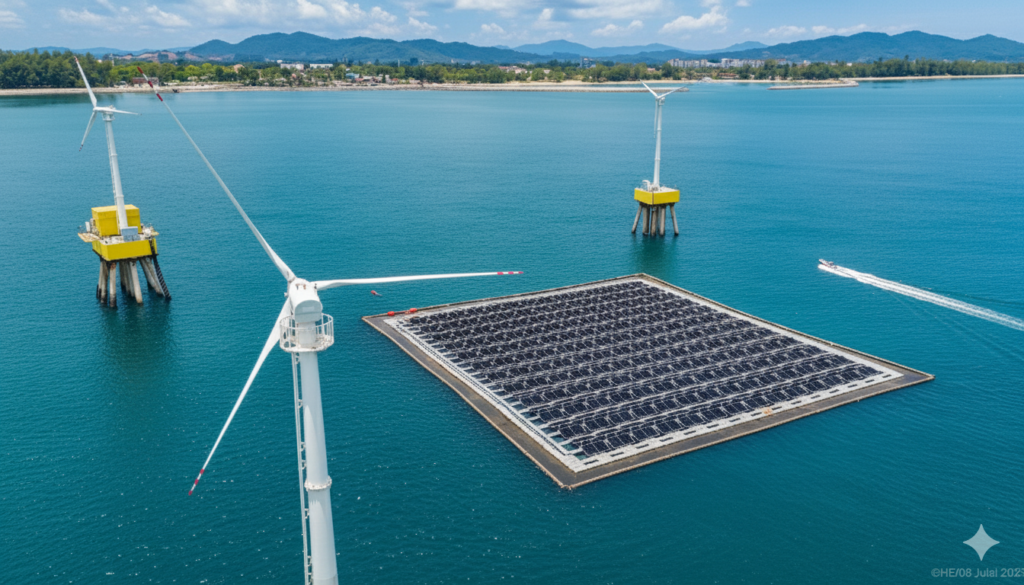
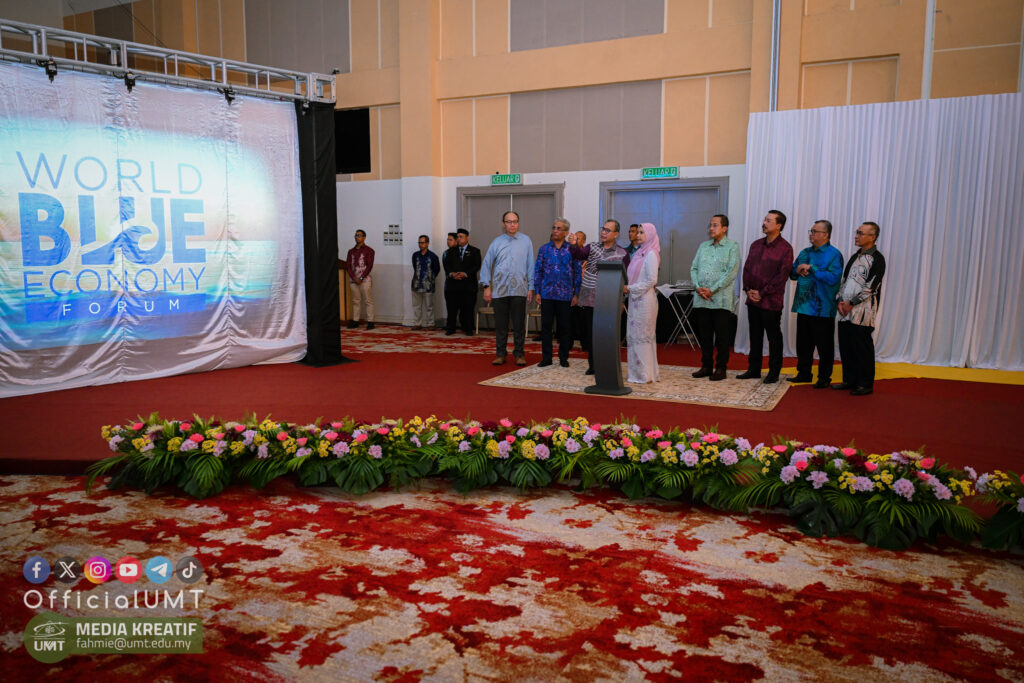
As a university specializing in marine, maritime, and aquatic resources, UMT is aligning its academic and research ecosystem to contribute directly to national priorities, particularly the Malaysian Blue Economy Agenda. UMT will focus on three strategic transformation leaps outlined in the Plan, Prof. Zamri said.
On Leap 2 (Purpose-Driven High-Performance Talent), he said UMT views high-performance talent as a strategic national asset. Significant gaps exist in the marine and maritime sectors, which continue to depend on low-skilled labour, foreign expertise, and fragmented technological solutions, despite the global blue economy being valued at more than USD1.5 trillion annually and projected to double by 2030.
“UMT is committed to producing graduates who are not only employable, but capable of leading marine industries, ocean technologies, smart fisheries, marine biotechnology, and ocean-based renewable energy,” he said.
Addressing Leap 8 (Flexible Education and Lifelong Learning), the Vice-Chancellor said UMT is strengthening its position as a national provider of flexible education through its UMTlife, a centre that integrates micro-credentials, Massive Open Online Courses (MOOCs), Open and Distance Learning (ODL), APEL pathways, and industry-based learning.
“This is about building a lifelong learning ecosystem that enables Malaysians to continuously upgrade their skills in response to technological and industrial change, while extending UMT’s reach beyond Terengganu into the digital and global learning space,” he said.
On Leap 9 (Sustainability and Planetary Health), he said sustainability and planetary health form the core of UMT’s institutional identity. Through the Institute of Oceanography and Environment (INOS), the Institute of Tropical Aquaculture, and the Institute of Climate Change and Marine Biodiversity (ICAMB), UMT has established a strong national presence in climate change research, ocean health, marine biodiversity, and food security.
“From turtle conservation and coral reef restoration to sustainable fisheries and the blue economy, UMT’s work goes beyond research; we protect and restore our natural ecosystems for future generations,” he said.
Prof. Zamri expressed confidence that the Plan will be a catalyst in positioning Malaysia as a globally competitive higher education provider.
“UMT stands ready as a strategic partner in shaping the nation’s maritime strength, sustainability agenda, and blue economy leadership,” he said.
